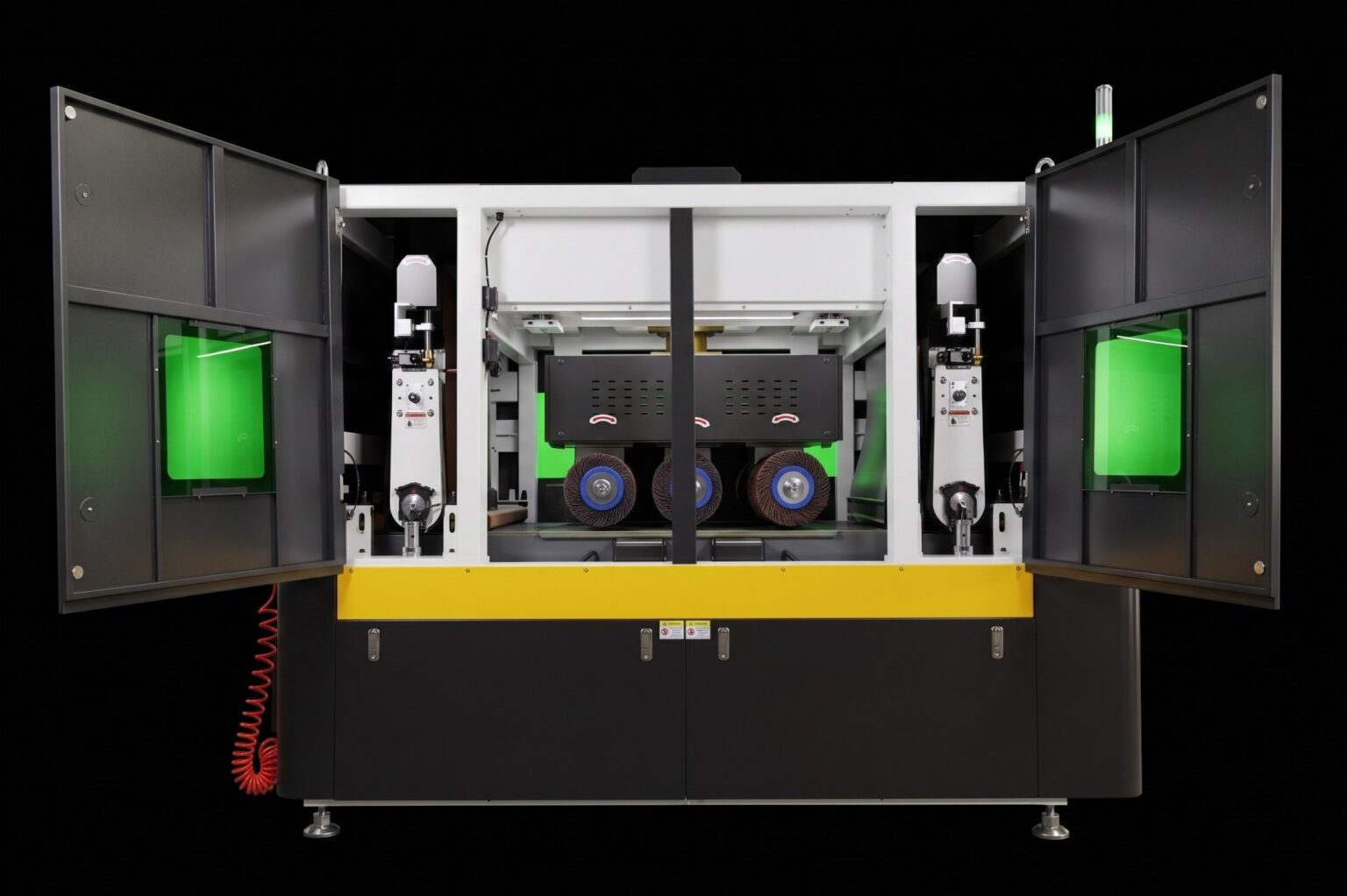
Introducing that complete analysis involving intelligent devices built specialized in removing burrs characterize transformed engineering operations, serving major positive effects regarding swiftness and finish. This article examines the varied types of machines, featuring scouring tumbling components, rotary mechanisms, and progressive computer-controlled technologies. We will cover the upsides of incorporating these solutions, comprising lessened employment costs, augmented component reliability, and upgraded manufacturing efficiency.
Border Polishing Machines: Exact Finalizing Outlined
Edge chamfering devices offer a innovative solution for securing precise refining on products. Contrary to manual styles, these automated machines offer steady products and decidedly amplify construction capacity. These machines commonly apply diverse wearing mechanisms like whirling blades, glossing plates, or dedicated outlines to remove sharp edges and protrusions. The operation is vital in a broad spectrum of sectors, such as aerospace and high-tech.- Enhance component quality
- Reduce manufacturing spending
- Expand turnover and operation
Scale Separation Units: Producing Spotless, High-Quality Appearances
Present-day metal fabrication operations invariably give rise to significant amounts of scale, a byproduct that, if untreated, can severely affect the grade of the conclusion. Fortunately, advanced scaling tools offer a dependable solution. These specialized machines, employing techniques like surface cleaning, are designed to comprehensively eliminate this unwanted material, ensuring a pristine and first-rate surface. The resulting positive effects include decreased rejection rates, strengthened aesthetic appeal, and an overall growth in throughput. By utilizing cutting-edge slag removal technology, manufacturers can consistently deliver elite surfaces and fulfill stringent measures.
Thin Sheet Refinishing: The Benefits of Deburring Systems
Accomplishing a top-level finish on sheet metal units is essential for capability, and deburring systems extend considerable positives over physical methods. Abating burrs rapidly not only enhances the superficial quality of the product, but also deters expected failures during putting together and application. Likewise, precise deburring means boost assembly speeds and cut employee spending.
Advancing Sheet Metal Production with Automatic Deburring
For amplify efficiency in sheet metal construction, examine robotic deburring technologies. Classic deburring is frequently arduous and exposed to variations. Adopting Sheet Metal Edge Rounding automated deburring delivers meaningful merits, like diminished worker expenditures, better item consistency, and amplified throughput. This outlays are capable of quickly prove worthwhile.Electing the Right Deburring Equipment for Your Job
Determining the most suitable deburring equipment for your distinct needs necessitates a precise assessment of several features. First, consider the nature of medium you're managing – brass requires particular techniques than carbon fiber. Later on, reflect upon the size and geometry of the parts needing edge finishing. In conclusion, analyze your processing rate; a heavy-duty operation commands a another type of apparatus than a intermittent one. Ignoring to consider these elements might cause suboptimal results and higher expenses.
Edge Unit Process: Changes and Discoveries
Emerging edge-removal system technology is participating in rapid innovation, motivated by the insistences for enhanced quality and productivity in routines steps. Noteworthy movements feature the integration of digital machines for adjustable edge-removal workflows, alongside breakthroughs in polishing method. We're likewise detecting a surge in handheld refining apparatuses suited for exclusive functions, and innovative systems like electron beam edge-removal are earning interest. The outlook reveals towards amplified connectivity of surface smoothing units within the modern manufacturing site setting.
Advancing Fabricated Module Durability with Outline Smoothing
Many manufacturing processes for copper parts introduce sharp edges, which can cause stress regions and weaknesses that impair overall durability. Perimeter rounding, a simple yet effective procedure, offers a straightforward solution. It entails slightly chamfering the sharp edges of a unit during the creation stage. This lowers stress regions, increases longevity performance, and can minimize damaging. Benefits are further amplified when dealing with elaborate configurations or parts subjected to significant tension. Considerations include the relevant blend of the softened edge and its impact on joining with other sections.
- Reduces Stress Zones
- Augments Fatigue Capacity
- Blocks Damaging
Dross Cleaning vs. Edge : Understanding the Variations
Though many practitioners use the phrases “slag clearing” and “deburring” concurrently, they identify distinct methods in metal processing handling. Deburring focuses on removing the sharp, often tiny, spurs created during working operations—these are excess remnants of metallic left on the component. Scale disposal, conversely, addresses an second product – typically a synthesis of flux – that appears during processes like forging. Essentially, deburring deals with excess borders, while slag processing deals with those remnant of a varied function. In essence, automated deburring and slag removal systems are crucial components of modern metal processing that provide superior finished products with lowered defects and improved efficiency.Wrapping up the examination focuses on the vital role of modern automated deburring technologies in influencing production criteria and assisting businesses secure advanced productivity and caliber.