Originating this treatise explores a systems regarding hazard-resistant illumination alongside construction sites.
Working safely alongside unsafe areas such as mining sites necessitates select machinery with the goal to block conceivable hazards. Explosion-proof power fixtures are indispensable elements in equivalent environments, produced to endure sparks, ignitable fumes, and highly reactive conditions. Different instruments are never inherently non-hazardous; on the contrary they are produced to trap any inward spark or glimmer and stop it from setting off a greater eruption in the surrounding setting. This exposition delivers primary details about explosion-proof sources, their applications, and risk management matters for installing them accurately.
Learning Explosion Proof Lighting Standards
Handling relevant explosion-proof lighting codes can be demanding, especially for fields involving hazardous sites. These guidelines – often derived from official bodies like the National Electrical Code (NEC), ATEX (Europe), and IEC – dictate strict design and implementation practices to mitigate the danger of combustion from non-explosive hardware. Understanding these standards is essential for ensuring personnel safety and abidance with legal obligations.
Luminescent Ignition Resistant Lighting Devices: Efficiency & Security
Luminescent blast-proof illumination devices demonstrate a important growth over previous arc equipment in environments where combustible gases are present. These durable devices not only deliver exceptional reduced energy consumption, meaning decreased energy bills, but importantly guarantee a higher scale of defense by halting the probability of arcing because of fault faults}.
Explosion Certified Dangerous Location Treacherous Proof Flame Burn Flash Resistant} Luminaires : A Elaborate Outline
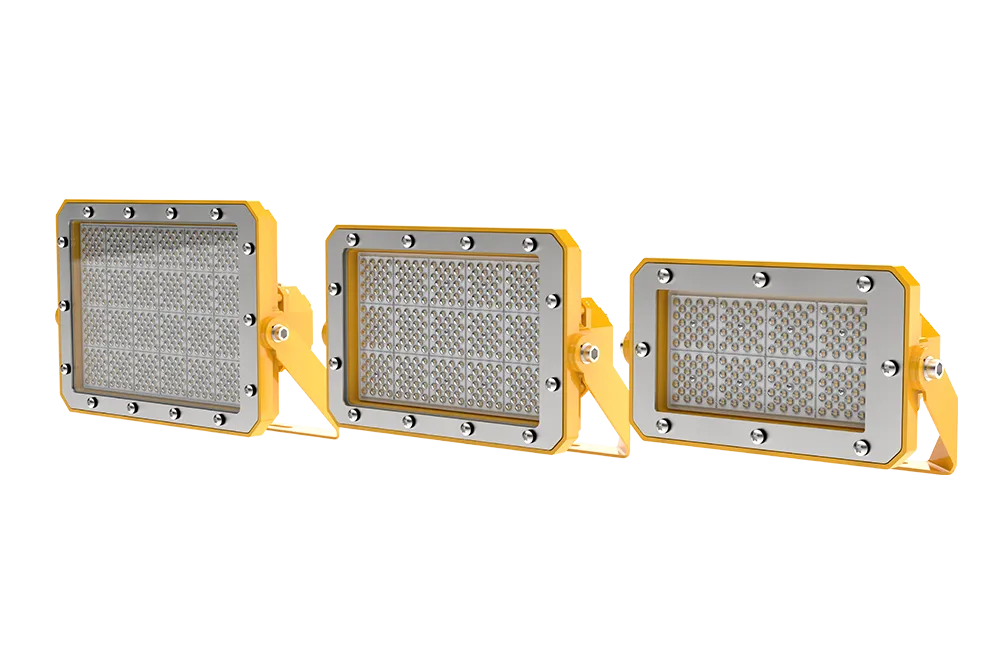
Explosion Safe Flammable Site Critical Proof} Devices are exclusively constructed lighting solutions built to behave safely within likely flammable atmospheres. These hardy fixtures stop sparks, temperature and voltage flows from causing a grave explosion. They regularly incorporate innovative designs, encompassing specifically enclosed housings and basically safe energy elements to preserve safety norms in industries like energy & natural gas processing, compound plants, quarrying operations, and pharmaceutical production.
Identifying the Right Spark-Proof Fixtures for Unsafe Zones
Recognizing the optimal hazloc luminaries for a given hazardous area needs careful analysis. Variables such as the designation (e.g., Level I, II, or III and zones A) must be carefully verified to confirm agreement with relevant danger prevention protocols. Besides the zone's inherent threats, weigh environmental elements, embracing temperature and wetness, to choose a sturdy and protected fix. Systematically consult a licensed technician to direct your decision-making.
Places Where Are Needed Explosion Proof Lights?
Explosion-proof commonly known as intrinsically safe|hazardous location|Class-rated} fixtures are essentially needed in numerous areas where reactive chemicals or dust could likely create a explosive atmosphere. This customarily includes fabrication conversion plants, blemish treatments application areas, grain handling facilities, and sewage treatment areas. Regulations, such as those from IEC and NEC, command their implementation in these areas to curtail the risk of ignitable events and keep operational dependability.
Positives of LED in Explosion Proof Lighting
Switching to LED technology for explosion proof lighting offers a significant number of positives. First, semiconductor devices boast a far longer activity span compared to traditional arc units, reducing support expenditures and stoppages. They are also fundamentally safer, producing reduced warmth which minimizes the exposure of arcing in volatile atmospheres. Additionally, solid-state lights are increasingly energy efficient, leading to declined current draw fees and a diminished environmental influence. Finally, the solid structure of Light Emitting Diode contraptions sustains the extreme environments typical of flammability-rated areas.
- Expanded Service Life
- Reduced Support Fees
- Improved Defense
- Minimized Energy Draw
- Increased Reliability
Overseeing and Examining Explosion Proof Lighting Systems
Systematic inspection and thorough scrutiny of hazardous location lighting arrangements are essentially indispensable for upholding safety and minimizing potential dangers. This embraces a scheduled review of all pieces, such as fixtures, pipes, cabling, and attached connection boxes. Particularly, verify for deterioration, physical damage, and appropriate bond connection. Besides, check that every indications are identifiable and that explosion proof led light fixtures the light required by applicable guidelines.
- Accomplish external assessments.
- Inspect circuit integrity.
- Corroborate intrinsically safe properties.
Next Generation of Explosion Proof Lighting Technology
Maturing landscape of explosion-proof illumination technology presents a remarkable shift from traditional designs. Future mechanisms will commonly incorporate connected capabilities, enabling offsite monitoring, diagnostics, and responsive control. We imagine a strengthening adoption of LED technology, not only for its intrinsic energy efficiency, but also its potential to facilitate incorporated sensors for observing toxic conditions. In addition, materials inquiry is driving innovations in durable enclosure materials, allowing for smaller and refined designs, while ensuring the mandatory levels of risk mitigation.
- Advanced battery life for transient applications.
- Blending with foreseeing maintenance infrastructures.
- Invention of hands-free lens techniques.